What You Really Need to Know
Do you need freezing temperatures to see the Northern Lights? Is December the best month to travel? And does a high Kp index mean you’re guaranteed a spectacular display?
There are plenty of myths surrounding the Northern Lights, and some of them could be influencing when and where you choose to travel.
At Aurora Nights, we’ve spent more than 15 years specialising in Northern Lights holidays across Norway, Sweden, Finland and Iceland. With our team living and working in the Nordics, we experience the changing seasons, weather conditions and Aurora activity firsthand.
Here, we separate fact from fiction and explain what really matters when planning your Northern Lights holiday.
Myth 1: It Has to Be Freezing Cold to See the Northern Lights
False. The Northern Lights have nothing to do with the temperature on the ground.
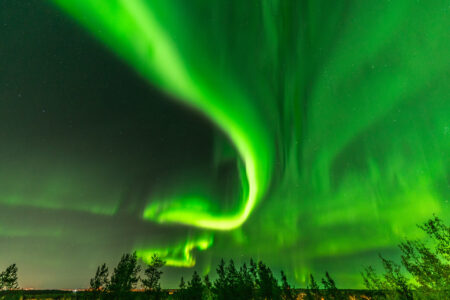
The Aurora occurs when charged particles interact with gases high in Earth’s atmosphere, producing the colourful displays we see from below.
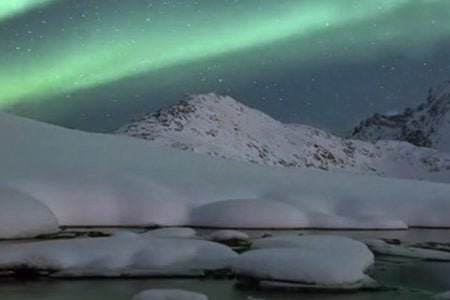
While Northern Lights sightings are often associated with snowy landscapes and temperatures well below freezing, cold weather itself does not increase Aurora activity.
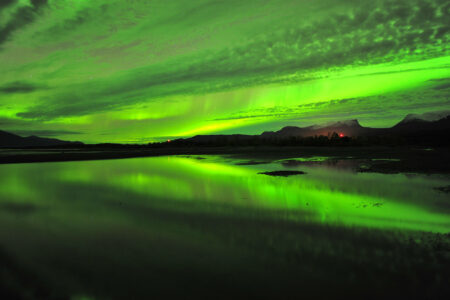
In fact, September and October can be wonderful months to visit the Arctic. Temperatures are generally milder, lakes may still be unfrozen and the autumn colours provide a beautiful backdrop for the Northern Lights.
You can even watch the Aurora reflected in the still waters of a lake, long before the winter snow arrives.
Myth 2: December Is the Best Month to See the Northern Lights
Not necessarily. The Northern Lights season is much longer than December.
Across the Nordic Arctic, the main viewing season generally runs from September through to March, with opportunities sometimes extending into late August and April.
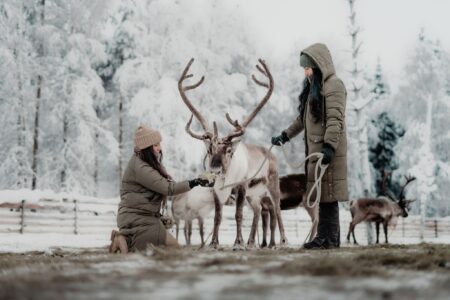
December offers long hours of darkness and the possibility of combining Northern Lights viewing with Christmas experiences, snowmobiling and reindeer sleigh rides.
However, September and March are particularly interesting because geomagnetic activity tends to be enhanced around the equinoxes.
Early autumn can also bring milder evenings, fewer visitors and beautiful landscapes without deep snow.
There is no single best month for everyone. The right time depends on your chosen destination and the experiences you want to enjoy.
Myth 3: A High Kp Index Guarantees a Northern Lights Sighting
False. This is one of the most common misunderstandings about Aurora forecasting.
The Kp index measures global geomagnetic activity on a scale from 0 to 9. Higher readings suggest more widespread Aurora activity, but they do not guarantee that you will see anything.
In Arctic destinations such as Alta, Tromsø, Kiruna and Finnish Lapland, you can witness beautiful Northern Lights displays even when the Kp index is relatively low.
Equally, a forecast of Kp 7 means very little if thick clouds are covering the sky.
Cloud conditions, your geographical position, local darkness and the timing of Aurora activity all influence what you might see.
This is why experienced local guides and knowledge of regional weather conditions are so valuable.
Myth 4: You Need Snow to See the Northern Lights
Not at all. Snow makes for beautiful photographs, but it isn’t necessary.
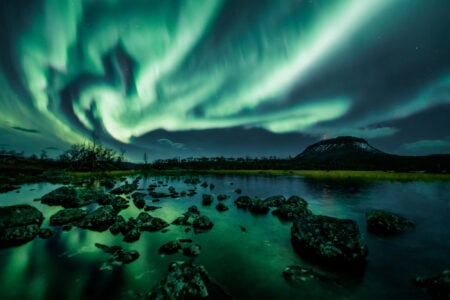
Some of the most memorable Northern Lights displays happen during autumn, when the forests are full of colour and the lakes have yet to freeze.
In Norway, the Aurora can dance above fjords and mountains. In Sweden and Finland, you might watch the green lights reflected across a lake. Iceland offers dramatic coastlines, waterfalls and volcanic landscapes.
The Northern Lights can be every bit as spectacular without snow beneath your feet.
Myth 5: Northern Lights Forecasts Can Tell You Exactly When They Will Appear
False. The Northern Lights are a natural phenomenon, and sightings can never be guaranteed with 100% accuracy. Even when aurora activity is strong, cloud cover can obscure the display, meaning the Northern Lights may be dancing overhead but remain hidden from view.
Scientists monitor solar activity, the solar wind and Earth’s magnetic field to estimate when displays might occur. However, conditions can change quickly, and precise sightings cannot be guaranteed.
Our CEO, Jonny Cooper, developed the Aurora Buddy app to help our travellers keep track of Northern Lights activity and potential viewing opportunities during their holidays.
Combined with the experience of our local guides, it provides another valuable tool for staying informed and making the most of the dark Arctic nights.
Sometimes an evening that begins quietly can develop into an extraordinary display, which is why patience and flexibility are so important.
Myth 6: Northern Lights Always Look Exactly Like the Photographs
Not always. Cameras can capture more colour and detail than the human eye.
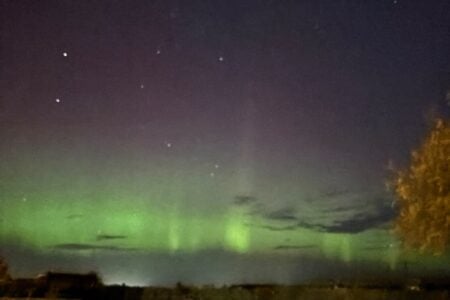
A faint Aurora might initially appear as a pale grey or green glow, while a camera using a longer exposure can reveal much stronger colours.
However, during particularly active displays, the colours and movement can be breathtaking to the naked eye, with curtains of green, purple and occasionally red stretching across the sky.
And no photograph can quite capture the experience of standing beneath a moving Aurora.
Trust the Northern Lights Experts
Understanding the Northern Lights is about more than checking a forecast or travelling as far north as possible.
At Aurora Nights, our specialists combine more than 15 years of Northern Lights travel experience with firsthand local knowledge, carefully chosen accommodation, private guiding and thoughtfully planned itineraries.
Nobody can guarantee the Aurora, but choosing the right destination, travelling at the right time and having experienced people looking after the details can make a real difference.
The Northern Lights are unpredictable. Your holiday planning shouldn’t be.