Finland, Norway, Sweden or Iceland?
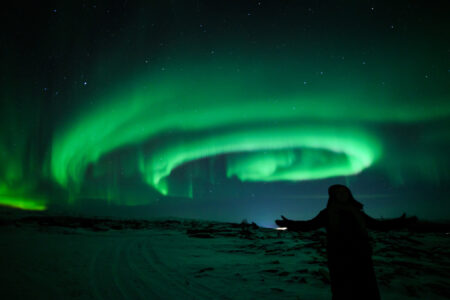
If you’re planning a Northern Lights holiday in 2027, one of the first decisions is where to go. Finland, Norway, Sweden and Iceland all offer extraordinary opportunities to see the Aurora, but each destination provides a very different experience.
From glass roof cabins surrounded by snowy Finnish forests to dramatic Norwegian fjords, remote Swedish wilderness retreats and Iceland’s volcanic landscapes, choosing the right destination is about much more than Northern Lights forecasts.
At Aurora Nights, we’ve spent more than 15 years designing luxury Northern Lights holidays across the Nordics. Our team lives and works in these destinations, giving us firsthand knowledge of the landscapes, weather conditions, accommodation and experiences that make each country special.
So where should you travel to see the Northern Lights in 2027?
Finland: Glass Roof Cabins, Snowy Forests and Arctic Experiences
Finland is an excellent choice if you’re looking for a peaceful Northern Lights holiday with beautiful accommodation and plenty of winter activities.
Northern Finnish Lapland, particularly around Saariselkä, Ivalo, Inari and Kilpisjärvi, offers wonderful opportunities for Aurora viewing. Away from larger towns, you’ll find dark skies, frozen lakes and forests covered in deep snow during winter.
One of Finland’s biggest attractions is its remarkable selection of glass roof cabins, allowing you to watch the night sky from the warmth of your accommodation. Zoe who recently stayed in one of the glass roofed cabins said that they blended into the landscape with the trees, mentioned the trees, making you feel private, with having a great view of the sky at night.
During the day, enjoy privately guided husky sledding, snowmobiling, reindeer experiences and traditional Finnish saunas. For families travelling around Christmas, private meetings with Santa can also be arranged.
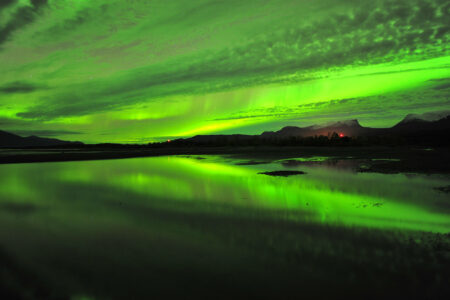
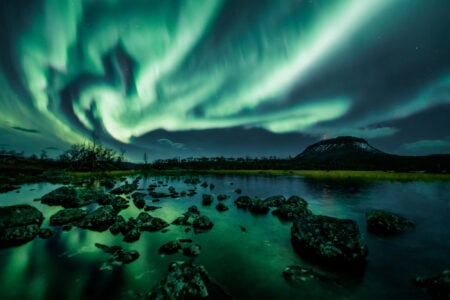
Autumn offers something quite different, with golden forests, unfrozen lakes and opportunities to see the Northern Lights reflected in the water.
Best for: Couples, families, luxury glass cabin stays, private Santa experiences and traditional snowy Arctic adventures.
Norway: Northern Lights Above Fjords and Mountains
Norway combines some of the most dramatic landscapes in the Arctic with excellent Northern Lights viewing opportunities.
Tromsø, Alta and the Lyngen Alps are among our favourite destinations, each offering something different.
Alta has a long history of Aurora observation and offers access to remote wilderness lodges, private guides and quieter surroundings. Tromsø provides a wider choice of restaurants and cultural experiences, while the Lyngen Alps are particularly special for their towering mountains and spectacular fjord scenery.
Here, you can watch the Northern Lights above snow covered peaks, reflected in the waters of a fjord or from the comfort of a secluded luxury lodge.
Private Northern Lights excursions can take you away from artificial light, with expert guides monitoring changing cloud conditions and travelling towards clearer skies when possible.
During the day, explore the Arctic coastline, enjoy husky sledding, discover Sámi traditions or simply relax beside a roaring fire overlooking the mountains.
Best for: Dramatic landscapes, luxury wilderness lodges, private Aurora adventures and travellers who want to combine fjords with the Northern Lights.
Sweden: Remote Wilderness and Exceptional Dark Skies
For travellers looking for space, privacy and a genuine connection with the Arctic wilderness, northern Sweden is a wonderful choice.
Abisko is internationally recognised for its Northern Lights viewing conditions. Its location near Lake Torneträsk and the surrounding mountains can create local weather conditions that favour clearer skies, even when neighbouring areas are cloudy.
Further east, the forests and wilderness around Kiruna and Luleå provide opportunities to stay in secluded cabins and luxury retreats, surrounded by nature.
Sweden is particularly appealing if you prefer a slower pace, combining privately guided winter activities with excellent food, traditional saunas and evenings watching the night sky.
You might spend the day exploring snowy forests by snowmobile, meeting a local guide or enjoying a fireside meal prepared by a private chef before heading outside to look for the Aurora.
Autumn is equally beautiful, with colourful forests, crisp evenings and the first Northern Lights appearing as darkness returns.
Best for: Quiet luxury, exclusive use accommodation, remote wilderness experiences, dark skies and private Northern Lights photography.
We may be slightly biased about seeing the Northern Lights in Sweden, over half of our team live and work there, so we can say that Sweden is the best place to see the Aurora!
Iceland: Northern Lights, Geothermal Lagoons and Extraordinary Landscapes
Iceland offers a completely different Northern Lights experience, combining Aurora viewing with volcanic landscapes, waterfalls, glaciers and geothermal bathing.
Unlike the heavily forested landscapes of Finland and Sweden, Iceland offers vast open views, black sand beaches, rugged coastlines and remarkable geological features.
The Northern Lights can be visible throughout Iceland when conditions are suitable, although travelling away from Reykjavík’s artificial lighting provides better opportunities to observe fainter displays.
South Iceland, the Golden Circle and the countryside around Lake Mývatn in the north all offer memorable settings.
Iceland’s weather can be particularly changeable, making local expertise and flexibility important when planning evening excursions.
During the day, explore waterfalls with a private guide, enjoy geothermal lagoons, visit dramatic coastlines or discover Icelandic food and culture.
Best for: Couples, photographers, geothermal wellness, luxury countryside hotels and travellers who want to combine the Northern Lights with Iceland’s natural landmarks.
When Should You Travel to See the Northern Lights in 2027?
The Northern Lights season generally extends from late August or September through to early April, depending on your destination and the hours of darkness available.
For 2027, January to March offers long winter nights and established snow activities across much of the Arctic. September and October are excellent alternatives if you prefer autumn colours, milder temperatures and quieter surroundings.
December is particularly appealing for families combining the Northern Lights with Christmas celebrations and private festive experiences.
Although the Sun has passed through its recent solar maximum period, Aurora activity continues throughout the solar cycle. No particular month or year can guarantee sightings.
We recommend spending at least three or four nights in your chosen destination to give yourself several opportunities to enjoy the Northern Lights.
Why Travel with Aurora Nights in 2027?
Choosing where to see the Northern Lights is only part of the experience. Understanding the local geography, cloud conditions, seasonal differences and available experiences is just as important.
Our CEO, Jonny Cooper, developed the Aurora Buddy app to help travellers stay informed about Northern Lights activity during their holidays, complementing the knowledge of our local guides.
With more than 15 years of experience and a team based in the Nordics, Aurora Nights creates carefully planned luxury holidays across Finland, Norway, Sweden and Iceland.
Whether you would prefer a secluded Finnish glass cabin, a private Norwegian fjord retreat, a Swedish wilderness lodge or an Icelandic geothermal escape, we’ll help you choose the right destination and design your Northern Lights holiday around you.
Four extraordinary countries. Four very different experiences. One unforgettable Northern Lights holiday in 2027.