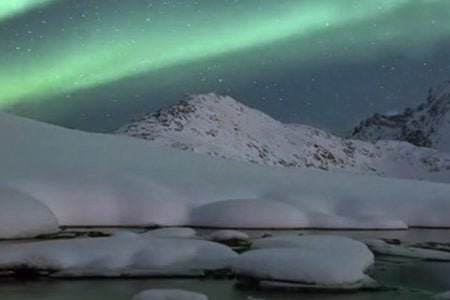
If you’re thinking about booking a Northern Lights holiday in 2027, will 2027 still offer opportunities to witness those extraordinary green lights dancing across the Arctic sky?
The good news is that 2027 can still be an excellent year to see the Northern Lights.
The Aurora doesn’t simply disappear when the Sun becomes quieter. In fact, significant geomagnetic activity can continue for several years after the peak of the solar maximum.
At Aurora Nights, we’ve spent more than 15 years specialising in luxury Northern Lights holidays across Norway, Sweden, Finland and Iceland. Our team lives and works in the Nordics, giving us firsthand experience of the changing Aurora seasons and the conditions that make sightings possible.
Here’s what you need to know about seeing the Northern Lights in 2027.
Understanding the Solar Cycle and Solar Maximum
The Sun follows a natural cycle of activity lasting approximately 11 years, moving between periods known as solar minimum and solar maximum.
During solar maximum, the Sun’s magnetic activity increases, producing more sunspots, solar flares and coronal mass ejections, often referred to as CMEs.
When solar activity sends energy and charged particles towards Earth, interactions with our planet’s magnetic field can trigger the beautiful displays we recognise as the Northern Lights.
Solar Cycle 25 reached its peak in late 2024, with the wider solar maximum period extending through 2025.
This heightened activity contributed to some remarkable Aurora displays, including sightings much further south than usual, across the UK and other parts of Europe.
But solar maximum isn’t the only time the Northern Lights appear.
Why 2027 Still Offers Northern Lights Opportunities
As we move into 2027, Solar Cycle 25 is expected to continue its gradual decline.
However, this doesn’t mean that the Northern Lights will become a rare sight across the Arctic.
During the declining phase of the solar cycle, significant solar events can still occur. High speed streams of solar wind escaping from regions known as coronal holes can also disturb Earth’s magnetic field, producing geomagnetic activity and Aurora displays.
Scientists have observed that some particularly powerful geomagnetic storms occur after solar maximum rather than precisely at its peak.
And importantly, the Northern Lights occur regularly within the auroral oval, the region surrounding Earth’s magnetic poles.
In northern Norway, Swedish Lapland and Finnish Lapland, you don’t need an extreme solar storm to see an impressive Aurora.
For travellers visiting the right locations, 2027 remains a very worthwhile year to plan a Northern Lights holiday.
Where Should You See the Northern Lights in 2027?
Choosing the right destination is one of the most important decisions you can make.
In Norway, locations including Alta, Tromsø and the Lyngen Alps provide opportunities to watch the Northern Lights above dramatic mountains and fjords, often with experienced private guides who understand local weather conditions.
Sweden offers remote wilderness locations around Kiruna and Abisko, with beautiful forests, frozen lakes and dark skies. Abisko is particularly well known for its local weather patterns, which can sometimes provide clearer viewing conditions than surrounding areas.
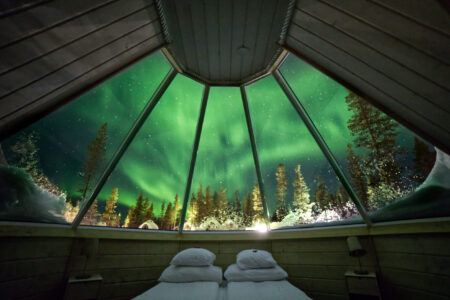
In Finland, northern destinations including Ivalo, Saariselkä and Inari combine excellent Aurora viewing opportunities with glass roof cabins, private wilderness experiences and luxury Arctic accommodation.
Iceland offers a different landscape, where you can combine Northern Lights viewing with waterfalls, volcanic scenery, glaciers and geothermal experiences.
Each country offers something different, and the most suitable destination will depend on your preferred travel dates and the experiences you want to enjoy.
When Is the Best Time to See the Northern Lights in 2027?
Across the Nordic Arctic, the Northern Lights viewing season generally runs from September to March, although some destinations offer opportunities from late August into April.
January, February and March 2027 will offer long dark evenings, with winter activities and beautiful snow covered landscapes across much of the Arctic.
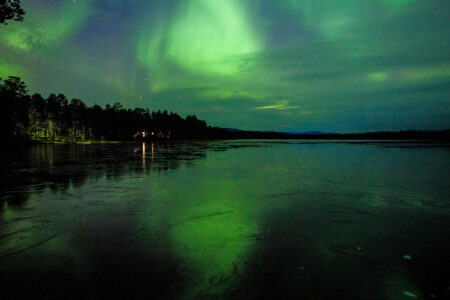
September and October 2027 are also attractive months, particularly if you prefer milder temperatures, autumn colours and the possibility of seeing the Northern Lights reflected in unfrozen lakes.
The months around the spring and autumn equinoxes can experience enhanced geomagnetic activity, although this doesn’t guarantee individual sightings.
December brings the opportunity to combine Aurora viewing with festive experiences, private Santa visits, reindeer sleigh rides and snowy wilderness adventures.
There is no single perfect month. The best choice depends on the destination, local conditions and what you want from your holiday.
Why Northern Lights Forecasts Cannot Guarantee a Display
One of the most important things to understand about Northern Lights holidays is that no forecast can guarantee a sighting.
Scientists monitor solar activity, the solar wind and Earth’s magnetic field to predict potential Aurora conditions.
The Kp index, which measures global geomagnetic activity on a scale of 0 to 9, is one useful indicator. However, a high Kp reading doesn’t automatically mean you’ll witness a spectacular display.
Cloud cover can completely obscure the Northern Lights, even during strong geomagnetic storms.
Equally, a relatively low Kp index can still produce beautiful displays in destinations located beneath the auroral oval.
Forecasting becomes more useful as an event approaches, but the exact timing, location and appearance of the Northern Lights remain difficult to predict.
This is why local knowledge, flexibility and carefully planned itineraries are so important.
Improving Your Chances of Seeing the Northern Lights
Rather than concentrating entirely on whether 2027 will be a particularly active solar year, focus on the factors that can genuinely improve your viewing opportunities.
We generally recommend spending at least three or four nights in the Arctic, giving you several opportunities to watch the night sky.
Choosing accommodation away from excessive artificial lighting, travelling with experienced private guides and checking local cloud forecasts can all make a difference.
Our CEO, Jonny Cooper, also developed the Aurora Buddy app, helping travellers keep informed about Northern Lights activity and potential viewing opportunities during their holiday.
Combined with the experience of our locally based team, these resources help you make informed decisions rather than relying on predictions made months in advance.
Plan Your 2027 Northern Lights Holiday with Aurora Nights
While the solar cycle influences the frequency and strength of geomagnetic activity, the Northern Lights remain a regular natural phenomenon across the Arctic.
At Aurora Nights, our specialists combine more than 15 years of experience with firsthand knowledge of the Nordic destinations we call home.
From secluded glass roof cabins in Finland to private wilderness lodges in Sweden, dramatic Norwegian fjords and Iceland’s geothermal landscapes, we create carefully planned holidays that make the most of your time in the Arctic.
And while nobody can promise that the Northern Lights will appear on a particular evening, your holiday will be filled with extraordinary experiences, beautiful accommodation and the opportunity to discover these remarkable destinations.
So, is 2027 a good year to see the Northern Lights? Absolutely. The Aurora season continues, and there’s every reason to look forward to another year of remarkable Arctic skies.